

EDITORIAL: NAFDAC Must Wake Up Before Adulterated Products Cost More Nigerian Lives
By PRESSTV NEWS NIGERIA
Nigeria cannot afford to treat food adulteration, counterfeit drinks and substandard consumer products as ordinary market offences. They are a serious public health threat that demands urgent, visible and sustained regulatory action.
Every day, Nigerians buy food, drinks, medicines, cosmetics and other consumer products with the basic expectation that what is written on the label is what is inside the package. That trust is the foundation of any functioning regulatory system. But that trust is increasingly being tested.
Presstv News Nigeria learnt that the reports of adulterated food products, counterfeit beverages, fake medicines and substandard consumer goods continue to raise questions about the effectiveness of Nigeria’s regulatory and enforcement framework. For the average Nigerian, the danger is particularly disturbing because consumers often have no laboratory, technical or forensic means of determining whether a product is genuine before consuming it.
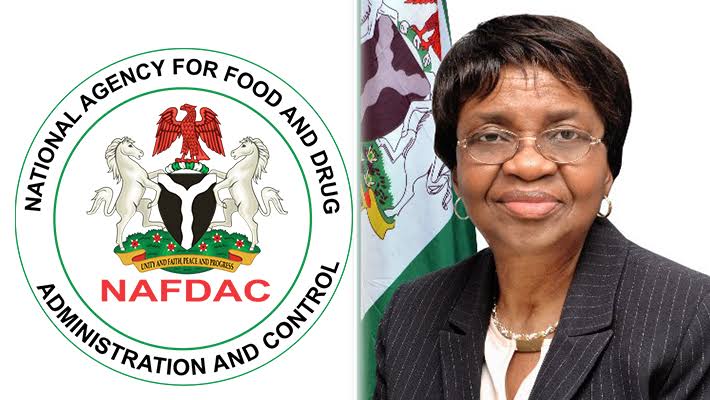
This is where the National Agency for Food and Drug Administration and Control (NAFDAC) carries an enormous responsibility.
NAFDAC was established to regulate and control the manufacture, importation, exportation, distribution, advertisement, sale and use of food, drugs, cosmetics, medical devices, packaged water and other regulated products. Its mandate is therefore not merely administrative. It is fundamentally about protecting lives.
When adulterated products enter the market, the consequences can extend far beyond financial losses. Contaminated or improperly manufactured products can expose consumers to toxic substances, infectious agents and other dangerous contaminants. Some substances may pose long-term health risks, including an increased risk of certain cancers, depending on the contaminant, level and duration of exposure.
Therefore, the argument is not simply about counterfeit products. It is about the right of Nigerians to consume products that are safe.
Where Is the Enforcement?
The question Nigerians deserve answered is simple: How are so many dangerous products continuing to find their way into markets across the country?
It is not enough for regulators to occasionally announce the seizure or destruction of counterfeit products after they have already reached consumers. Such operations are necessary, but they should be part of a larger system of prevention, intelligence, surveillance and prosecution.
NAFDAC must move beyond periodic raids and develop a regulatory environment in which manufacturers, importers, distributors and retailers understand that there is a high probability of detection and serious consequences for violations. A regulator that only reacts after dangerous products have flooded the market is fighting the symptom rather than the source.
The Market Cannot Police Itself
The situation is made worse by the complexity of Nigeria’s informal economy. Counterfeiters can exploit weak supply chains, porous borders, inadequate traceability and unsuspecting consumers. Fake products can be repackaged to look remarkably similar to legitimate brands, while some adulterated foods and beverages may be difficult for ordinary consumers to identify.
This means the government must invest more heavily in modern surveillance technology, product traceability, laboratory capacity and intelligence-led enforcement.
NAFDAC should also strengthen collaboration with customs authorities, the police, state governments, local councils, manufacturers and legitimate distributors. The fight against counterfeiting cannot be won by one agency acting alone.
Nigerians Deserve Transparency
NAFDAC should publish more comprehensive and accessible information about products that have failed regulatory tests. When a dangerous product is discovered. Nigerians should know what the product is, where it was produced, where it was distributed, the nature of the violation, the potential health implications and what consumers should do.
Public warnings must be timely and widely disseminated. There should also be stronger mechanisms for consumers to report suspicious products and quickly verify whether a product is registered and genuine.
Prosecution Must Follow Seizure
Another critical issue is accountability: Seizing counterfeit goods is only one part of enforcement. Nigerians need to see credible prosecution of those responsible.
Where evidence establishes criminal wrongdoing, offenders should face the full consequences of the law, regardless of their commercial status or connections. The message must be unmistakable; There should be no safe business model in Nigeria based on putting consumers’ lives at risk.
This Is Bigger Than NAFDAC
While NAFDAC deserves scrutiny, the problem also exposes weaknesses across Nigeria’s broader regulatory and justice systems.
The Federal Government must provide regulatory agencies with adequate funding, modern laboratories, skilled personnel, digital tools and operational independence.
Border controls must be strengthened. Local manufacturing standards must be enforced. State and local authorities must be brought into the surveillance chain.
Most importantly, Nigeria needs a culture of accountability in which regulatory violations are treated as threats to public safety – not merely as opportunities for occasional publicity.
NAFDAC Must Earn Public Confidence
The Nigerian consumer should not have to become a scientist, detective or investigator before buying a bottle of drink, a packet of food or a medicine. The responsibility belongs primarily to the regulatory system.
NAFDAC must therefore intensify market surveillance, strengthen laboratory testing, improve product traceability, expand public awareness and pursue offenders with greater consistency.
The agency must also be willing to honestly confront its own gaps. Regulatory success should not be measured by the number of press statements issued or products destroyed, but by how effectively unsafe products are prevented from reaching consumers in the first place.
Nigeria is facing too many public-health challenges already. Nigerians should not have to worry that the food they eat or the drink they buy could contain dangerous substances because regulators failed to detect them.
The time for occasional enforcement is over. Nigerians need continuous protection.
NAFDAC must rise to the full weight of its mandate because behind every product on a supermarket shelf, market stall or roadside shop is a human being and behind every regulatory failure is a potential human cost. Public health cannot be compromised. The lives of Nigerians must come before profit, bureaucracy and institutional convenience.
Presstv News Nigeria
Managing Editor
Olushola Akinyele
07080192122
About The Author